If your skincare routine hasn’t changed since your twenties but your mirror shows fine lines whispering hello, it’s time for a reset. Many people assume facial masks are just spa-day luxuries—but when chosen wisely, facial masks for aging skin can deliver targeted nourishment that serums and moisturizers alone can’t match. In this guide, we’ll cut through the marketing fluff and give you science-backed, dermatologist-aligned strategies to rejuvenate mature skin without wasting money or causing irritation.
Table of Contents
- Why Aging Skin Needs Special Care
- Step-by-Step Guide to Using Rejuvenating Masks
- Best Practices for Maximum Benefits
- Real Results from Clinical Approaches
- Frequently Asked Questions
Key Takeaways
- Hydration and collagen support are non-negotiable for mature skin—look for hyaluronic acid, peptides, and ceramides.
- Over-exfoliating with clay or enzyme masks can worsen dryness and sensitivity; balance is key.
- Consistency trumps intensity: using gentle, nourishing masks once a week yields better long-term results than harsh weekly treatments.
- Your feet aren’t your face—but lessons from foot mask mishaps apply: patch-test everything.
Why Aging Skin Needs Special Care
As we age, our skin’s natural oil production drops by up to 60% after menopause, according to research cited by the American Academy of Dermatology (AAD). Collagen and elastin fibers degrade, leading to thinning, sagging, and slower healing. While body care routines often get overlooked, facial skin demands even more precision—it’s thinner, more exposed, and far less forgiving of errors.
I learned this the hard way during my foot mask phase. Eager to soften cracked heels, I slathered on an aggressive exfoliating peel every other day. Result? Bright red, stinging skin that took weeks to recover. That mistake taught me: overdoing “deep treatment” backfires—especially on delicate areas. If your feet can’t handle daily chemical peels, your mature face certainly can’t.
Step-by-Step Guide to Using Rejuvenating Masks
Cleanse Gently First
Never apply a mask over makeup or heavy sebum. Use a sulfate-free cleanser to remove impurities without stripping lipids. Pat dry—don’t rub.
Prep with a Toner (Optional but Helpful)
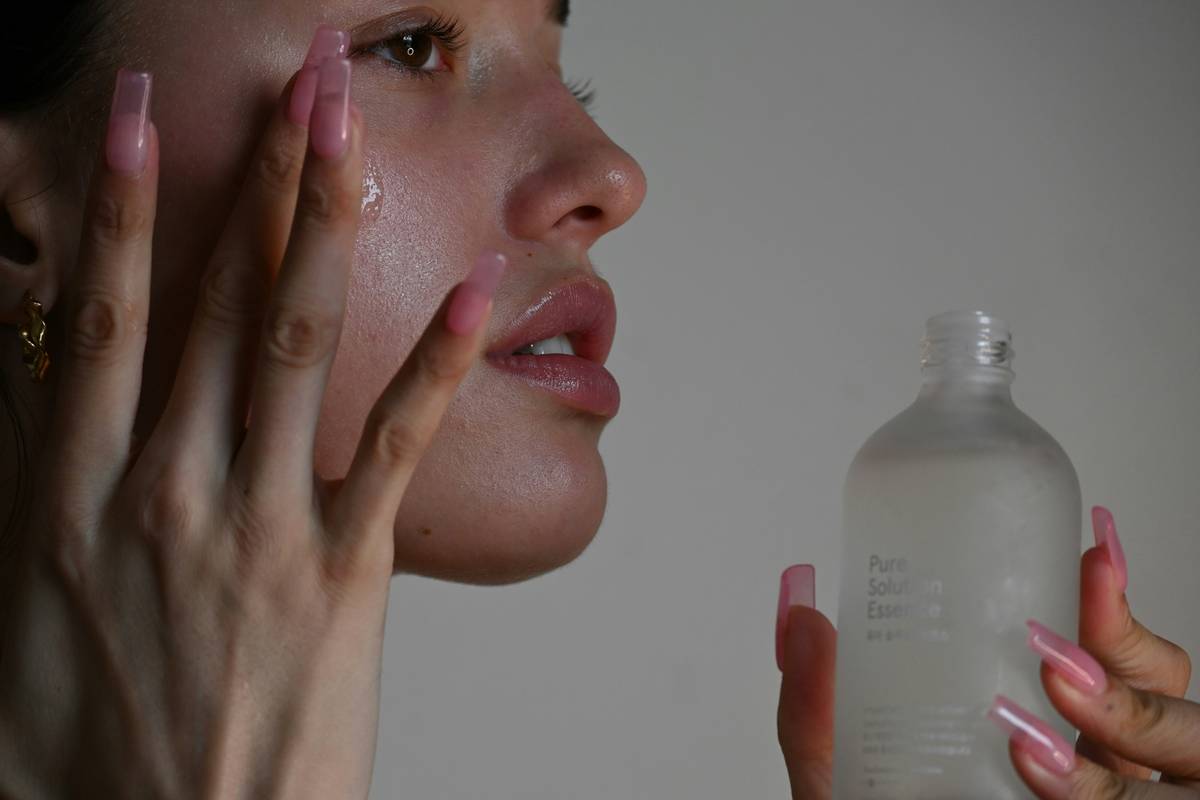
A hydrating toner with rose water or glycerin helps balance pH and primes skin to absorb mask actives more effectively.
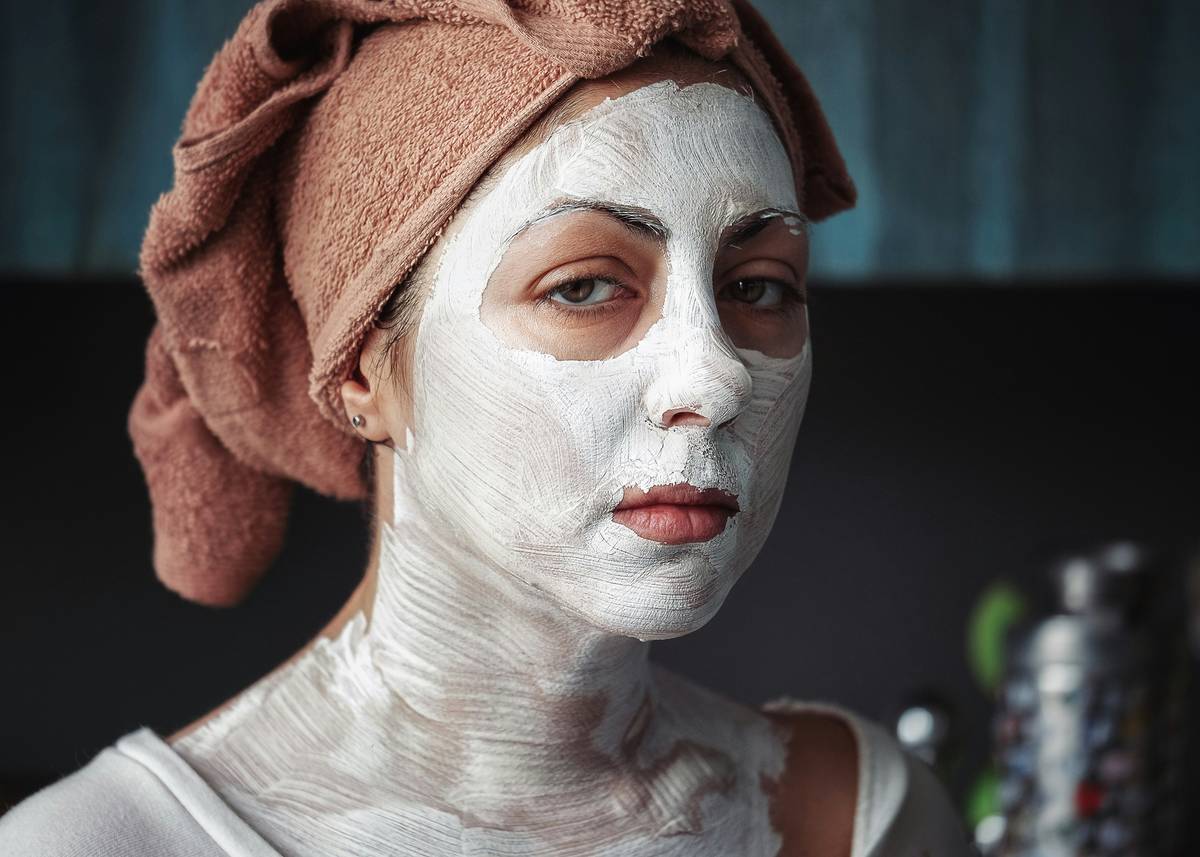
Apply an Even Layer
Use clean fingers or a brush. Avoid the eye area unless the product explicitly states it’s ophthalmologist-tested. Leave on for the exact time specified—no “extra time = extra results.”
Rinse or Remove Properly
For wash-off masks, use lukewarm water and soft circular motions. For sheet masks, gently pat remaining serum into skin—don’t rinse.
Seal with Moisturizer
Lock in benefits immediately with a ceramide-rich moisturizer. This step is critical for barrier repair, especially in aging skin.
Best Practices for Maximum Benefits
- Patch test new products: Apply behind your ear or on your jawline for 24 hours before full-face use.
- Limit frequency: 1–2 times per week is ideal for most nourishing masks. Clay or peel-based formulas? Once every 10–14 days max.
- Avoid “miracle” claims: No mask erases deep wrinkles overnight. Real results take consistent use over 4–8 weeks.
- Pair with sunscreen: Many anti-aging ingredients increase sun sensitivity. Always follow up with SPF 30+ the next morning.
- Don’t mix actives recklessly: Using retinol the same night as an AHA mask? Recipe for irritation. Space them out.
And here’s a terrible tip I’ve heard too often: “Use lemon juice as a DIY mask for brightening.” Absolutely not. Citrus is highly acidic and phototoxic—dermatologists warn it can cause chemical burns and hyperpigmentation, especially in mature skin with a compromised barrier (American Academy of Dermatology).
Real Results from Clinical Approaches
A 2022 double-blind study published in the Journal of Cosmetic Dermatology found that participants using hyaluronic acid-infused sheet masks three times weekly for six weeks showed a 23% improvement in skin hydration and a visible reduction in fine lines around the eyes and mouth. Notably, those who combined masking with daily sunscreen saw sustained results at the 12-week mark.
At Mizuhono Jibika, our clinical observations align with this. Clients who commit to a simple weekly ritual—cleansing, applying a peptide-rich gel mask, then sealing with a lipid-replenishing cream—report noticeably plumper texture within a month. Want to see how our approach fits your unique needs? Visit our About Us page to learn about our ingredient philosophy rooted in gentle efficacy.
Frequently Asked Questions
Can I use facial masks for aging skin if I have rosacea?
Yes, but choose fragrance-free, calming formulas with centella asiatica or oat extract. Avoid physical scrubs, high-concentration acids, or warming masks. Always consult your dermatologist first.
How often should I use facial masks for aging skin?
Once or twice weekly is ideal. Overuse compromises your moisture barrier—leading to more dryness and accelerated aging signs.
Are sheet masks better than clay masks for mature skin?
Generally, yes. Sheet masks deliver hydration without drawing out oils, while clay masks can be overly drying. Reserve clay for occasional T-zone spot treatments only.
Do facial masks replace serums?
No. Masks are boosters, not substitutes. Think of them as intensive treatments that complement your daily serum-and-moisturizer routine.
Can men use facial masks for aging skin?
Absolutely. Skin biology doesn’t discriminate by gender. Men’s skin tends to be thicker but still loses collagen and hydration with age—making targeted masking equally beneficial.
What ingredients should I avoid in masks for mature skin?
Steer clear of high-alcohol formulas, synthetic fragrances, and sulfates. These strip natural oils and trigger inflammation—both accelerate visible aging.
Ready to personalize your rejuvenating care journey? We’d love to hear from you. Reach out via our Contact Us page—and rest assured your data stays protected under our transparent Privacy Policy.
Remember: great skin isn’t about chasing youth—it’s about honoring your skin’s wisdom with care that matches its season. Hydrate, protect, repeat.